The rise of the billion-dollar celebrity empire marks one of the most consequential shifts in modern culture, as fame has evolved into a scalable economic force with genuine global reach. Once largely confined to endorsement deals and performance fees, celebrity influence now operates at the level of ownership, equity, and institutional authority. Across entertainment capitals and emerging markets alike, this transformation reflects a broader recalibration of how value, visibility, and cultural power intersect in the twenty first century.
Historically, celebrities functioned primarily as ambassadors for established brands, lending recognition in exchange for compensation while remaining distant from strategic control. That model began to erode with the rise of media fragmentation, digital platforms, and direct to consumer ecosystems, which allowed public figures to bypass traditional gatekeepers. By cultivating loyal audiences and exercising narrative control, celebrities gained leverage not merely as representatives, but as founders, investors, and architects of integrated commercial enterprises.
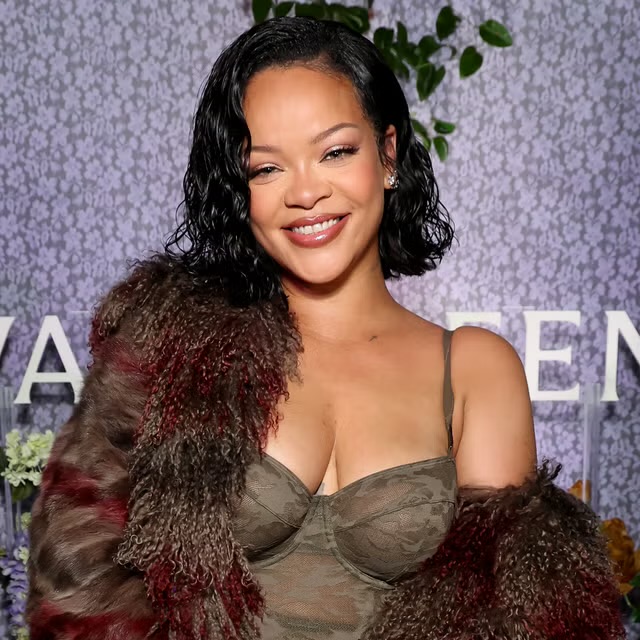
This evolution is clearly illustrated by figures such as Rihanna, whose ventures demonstrate how cultural authenticity and inclusivity can translate into sustained market leadership. Rather than relying on novelty or short term attention, these enterprises are structured around long term relevance, operational depth, and global scalability. The focus has shifted away from spectacle toward institutional credibility, supported by professional management, diversified portfolios, and disciplined governance.
Fashion, beauty, music, sports, and technology have emerged as primary arenas for these empires, each offering distinct pathways for cultural capital to convert into financial equity. In fashion and beauty, identity driven branding resonates across borders, while in music and media, ownership of intellectual property secures recurring value. Technology and venture investment further extend influence, positioning celebrities as participants in innovation and market formation rather than passive observers.
Crucially, the expansion of the billion-dollar celebrity empire also reflects changing public expectations. Audiences increasingly reward transparency, social awareness, and measurable impact. Enterprises associated with sustainability, representation, and community investment tend to outperform those perceived as opportunistic or superficial. As a result, celebrity founders are compelled to engage more seriously with labor practices, supply chains, and social responsibility, aligning personal reputation with corporate conduct.
Yet this concentration of economic power is not without complexity. The elevation of celebrity led businesses raises questions around access, competition, and the long term implications for traditional entrepreneurs. While visibility can accelerate scale, it does not guarantee durability. Numerous high profile ventures have faltered when ambition outpaced execution, reinforcing the reality that celebrity may open doors, but discipline and governance sustain institutions.
As the boundaries between culture and commerce continue to dissolve, the billion-dollar celebrity empire stands as a defining feature of the global creative economy. It demonstrates how influence, when paired with strategy and stewardship, can transcend entertainment to shape industries and markets. More broadly, it signals a future in which cultural figures are not merely reflections of society, but active builders of its economic and institutional frameworks.