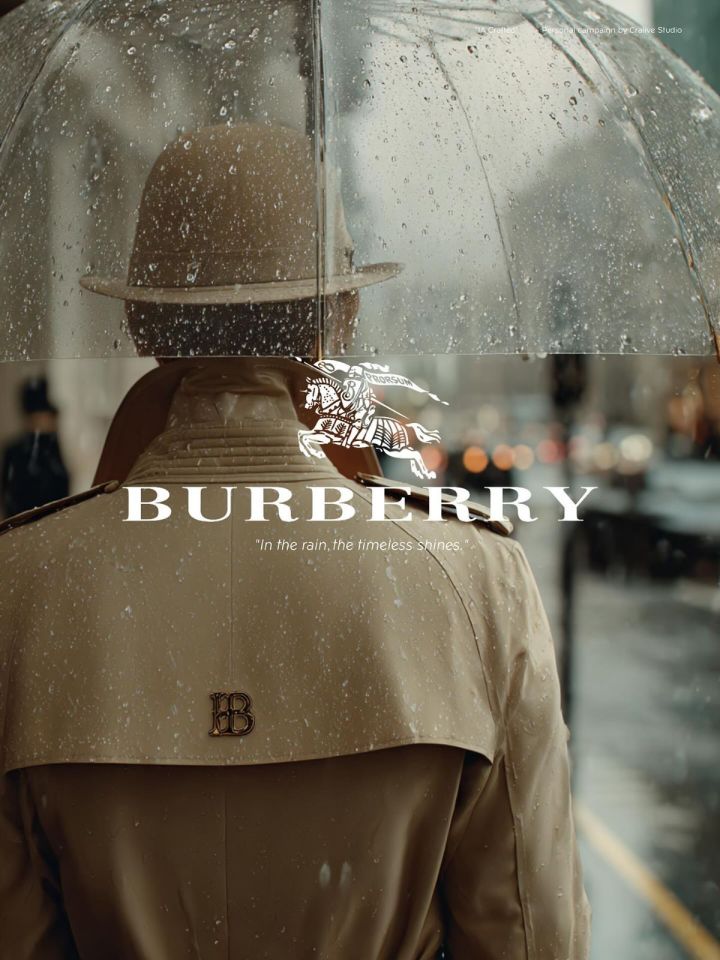
Burberry is entering a pivotal new chapter as strong demand from Generation Z consumers helps reshape the future of the global luxury industry. The iconic British fashion house has reported renewed momentum as younger shoppers increasingly embrace heritage brands that successfully combine tradition with contemporary design, digital engagement, and cultural relevance. The shift reflects a broader transformation within luxury fashion, where a new generation of consumers is redefining how prestige brands build loyalty, communicate their identity, and remain relevant in a rapidly evolving marketplace.
The growing influence of Generation Z has become one of the defining forces shaping the international fashion industry. Unlike previous generations, younger luxury consumers often place significant value on authenticity, creativity, sustainability, craftsmanship, and meaningful brand storytelling alongside product quality. This evolution has encouraged established fashion houses such as Burberry to modernize their creative direction while preserving the heritage and craftsmanship that have defined their global reputation for generations.
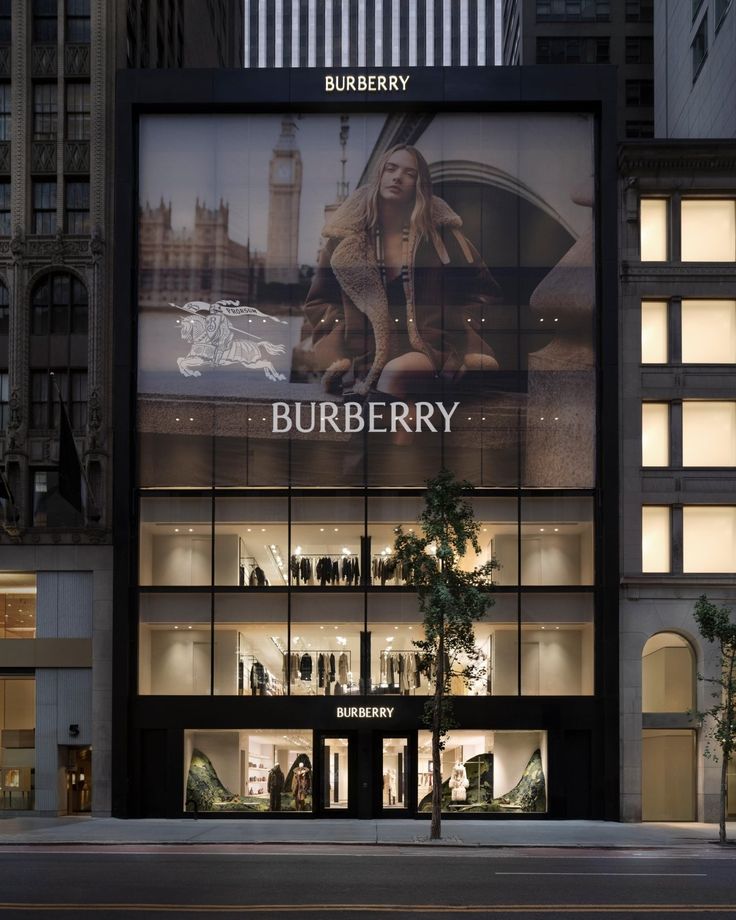
Recent performance highlights the importance of balancing timeless design with contemporary cultural relevance. Strategic investments in innovative collections, digital storytelling, celebrity partnerships, fashion campaigns, and social media engagement have enabled luxury brands to strengthen relationships with younger audiences while maintaining their appeal among long-standing customers. This approach reflects a wider transformation across the luxury sector as brands adapt to changing consumer expectations, evolving purchasing habits, and increasingly digital lifestyles.
Digital platforms have become central to the luxury shopping experience, allowing brands to connect directly with consumers through immersive campaigns, exclusive online launches, and interactive content. Social media, creator collaborations, and digital communities now play a significant role in shaping purchasing decisions, particularly among younger audiences who expect brands to engage with culture in authentic and innovative ways. This evolution has fundamentally changed how luxury labels communicate their identity and cultivate long-term customer relationships.
The luxury industry is also placing greater emphasis on sustainability, responsible sourcing, and long-term environmental commitments. Consumers increasingly expect premium brands to demonstrate transparency, ethical production, and responsible innovation alongside exceptional craftsmanship. As these priorities continue to influence purchasing behavior, sustainability has become an important element of modern luxury rather than a secondary consideration.
Industry observers view Burberry's renewed momentum as part of a broader resurgence among heritage fashion houses that have successfully embraced innovation without compromising their identity. By blending iconic design codes with contemporary creativity, luxury brands are demonstrating that tradition and modernity can coexist, creating products and experiences that resonate across generations while preserving their distinctive legacy.
The continued convergence of fashion, entertainment, technology, and popular culture further illustrates the changing dynamics of the global luxury market. Celebrity ambassadors, international fashion weeks, digital commerce, and cultural collaborations continue to shape consumer perceptions, reinforcing the importance of creativity and emotional connection in building enduring global brands.

As Burberry continues to strengthen its position within an evolving luxury landscape, its renewed appeal among Generation Z consumers reflects a broader transformation across global fashion. By embracing innovation while remaining rooted in its heritage, the brand demonstrates how established fashion houses can evolve with changing generations while preserving the craftsmanship, authenticity, and cultural significance that define lasting luxury.