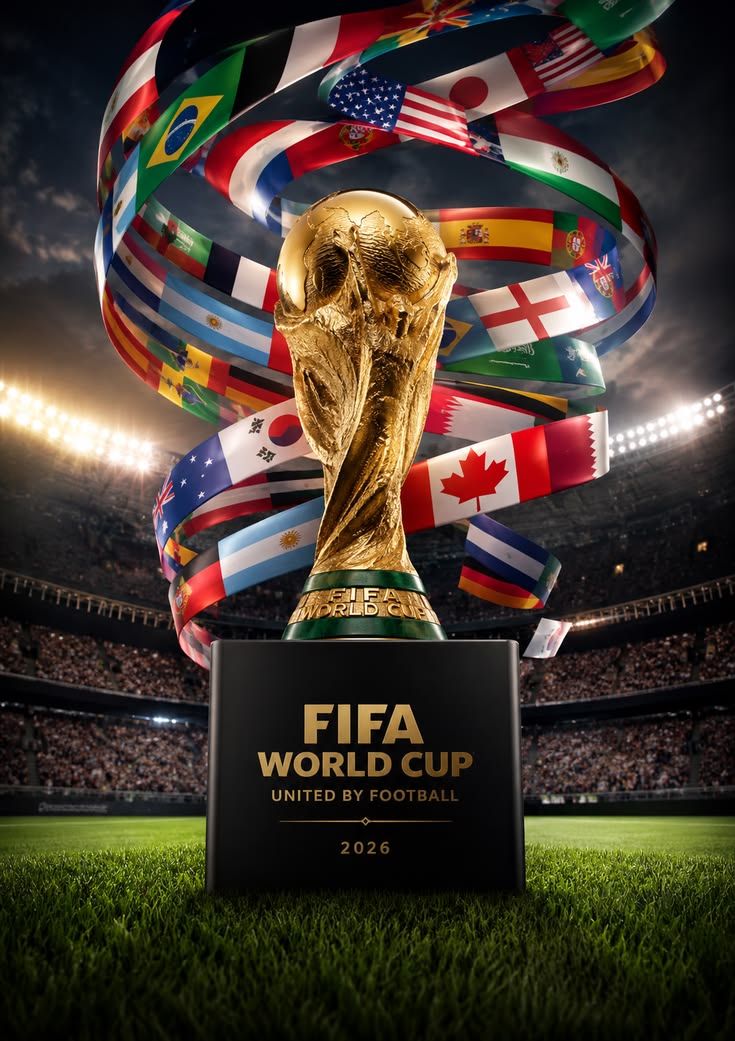
The FIFA World Cup has reached one of its most pivotal stages as the quarter-finals deliver a defining weekend that will shape the remainder of the tournament. With places in the semi-finals at stake, the competition has entered a phase where every result carries lasting significance, bringing together established footballing powers and emerging contenders in pursuit of the sport's most coveted prize. At this stage of the World Cup, every match carries the potential to produce moments that will become part of football history, captivating audiences around the globe.
The opening quarter-final fixtures have already demonstrated the intensity and quality expected of knockout football. France secured progression with a composed victory over Morocco, while Spain overcame Belgium in another closely contested encounter to book a place in the semi-finals. Both results highlighted the fine margins that increasingly define elite international competition, where tactical discipline, individual brilliance, and mental resilience often prove decisive.

Attention now turns to the remaining quarter-final ties as Norway prepares to face England, while Argentina takes on Switzerland to complete the semi-final lineup. Each nation enters these encounters with distinct tactical identities, experienced squads, and ambitions of extending its journey toward football's ultimate honour. With no margin for error, the matches promise compelling contests in which every decision, opportunity, and moment of inspiration could determine who advances.
The quarter-finals also underline the increasing competitiveness of international football. While traditional powerhouses continue to challenge for major honours, the tournament has demonstrated how sustained investment in youth development, coaching, sports science, and tactical innovation has enabled more nations to compete at the highest level. The narrowing gap between established giants and ambitious challengers has contributed to a more unpredictable and compelling World Cup, reinforcing its reputation as the pinnacle of international football.
Beyond the results themselves, the tournament continues to shape broader conversations about the evolution of the global game. Modern football increasingly rewards adaptability, squad depth, and strategic preparation, while advances in performance analysis and player development continue to influence how national teams compete on the world's biggest stage. Every World Cup provides valuable insights into emerging tactical trends that often shape domestic leagues and international competitions for years to come.
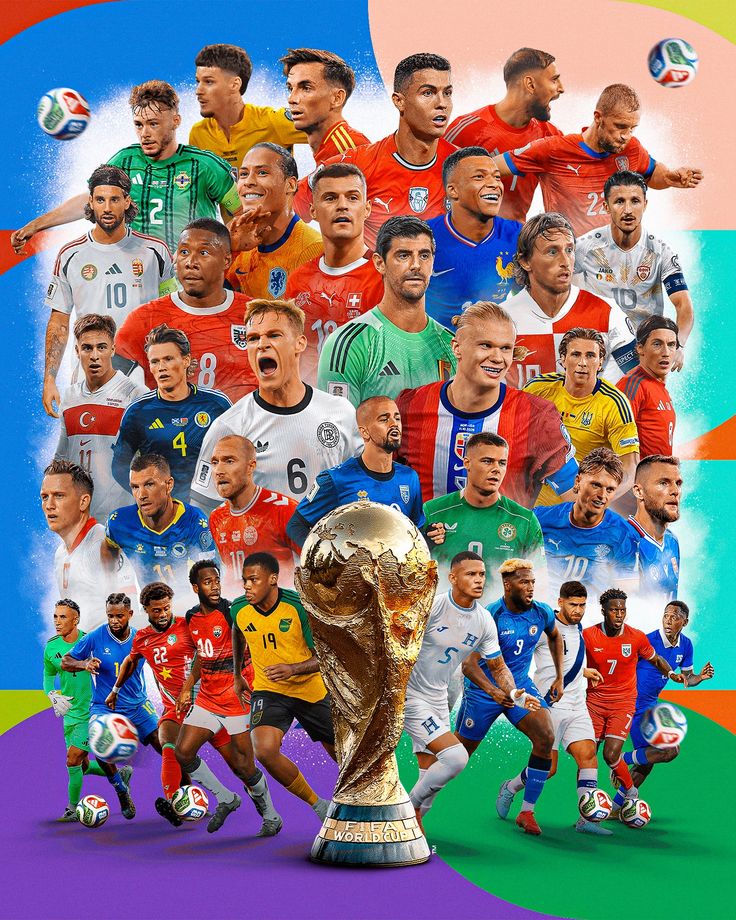
The global appeal of the FIFA World Cup extends well beyond the participating nations. Fans across continents follow each stage of the tournament with remarkable passion, making the competition one of the world's most influential sporting and cultural events. The quarter-finals, in particular, often produce unforgettable performances and defining moments that transcend sport, becoming lasting memories shared by generations of supporters.
As the race for the championship intensifies, the remaining fixtures will determine which nations continue their pursuit of football's greatest prize and which campaigns come to an end. With every match carrying extraordinary significance, the tournament continues to showcase the drama, unpredictability, and emotional intensity that have made the FIFA World Cup the most celebrated event in international football.

As the quarter-final weekend unfolds, the FIFA World Cup once again demonstrates why it remains the defining stage of international football. Beyond deciding the semi-finalists, these matches contribute to the tournament's enduring legacy, celebrating excellence, resilience, and the universal power of sport to unite audiences across cultures, generations, and borders.