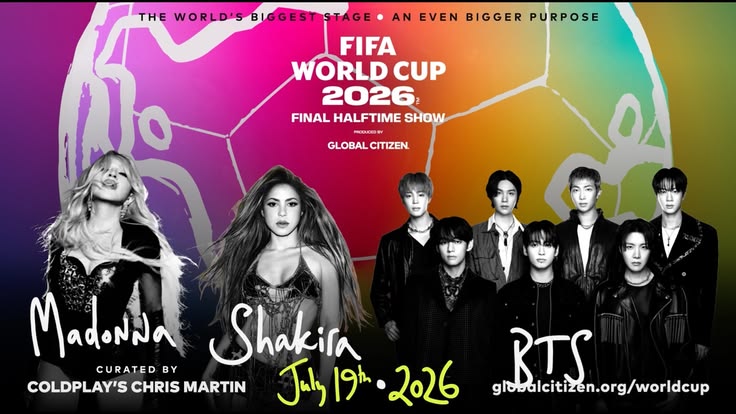
The introduction of a dedicated FIFA World Cup Final Halftime Show marks a defining moment in the evolution of the world's biggest sporting event, signaling a new era in which football and global entertainment converge on an unprecedented scale. Designed to complement rather than overshadow the championship match, the landmark production reflects FIFA's ambition to create a broader cultural experience that celebrates music, creativity, and international unity alongside elite sporting competition. As the World Cup continues to expand its global reach, the halftime show represents one of the tournament's most significant innovations in its modern history.
The inaugural halftime production is expected to feature an internationally acclaimed lineup of performers, bringing together some of the world's most recognizable names in music before an audience projected to reach billions across television and digital platforms. Combining world-class live performances with advanced production, immersive visual storytelling, and cutting-edge technology, the event aims to enhance the overall spectacle while ensuring that football remains the central focus of the occasion.
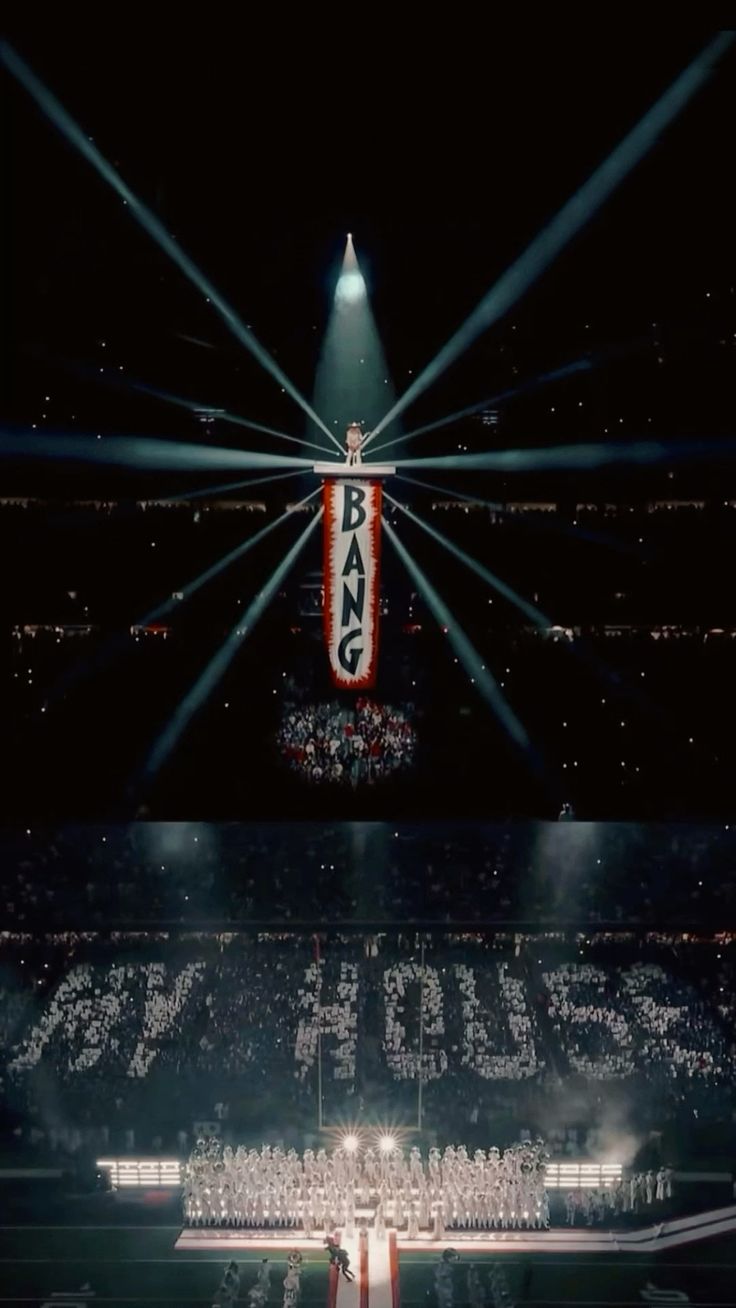
The decision to introduce a halftime show reflects broader changes across international sport, where major tournaments increasingly seek to deliver immersive experiences that extend beyond the competition itself. Music, cinema, fashion, and digital media have become integral components of global sporting events, creating opportunities for cultural exchange while broadening the appeal of tournaments to audiences spanning different generations, cultures, and interests. This convergence has transformed major sporting occasions into worldwide entertainment events that resonate far beyond the field of play.
The growing relationship between sport and entertainment has also reshaped the way global audiences experience landmark events. High-profile performances, cinematic opening ceremonies, and innovative broadcast presentations have become defining features of international competitions, illustrating how storytelling and live entertainment can enhance the emotional impact of sport while creating memorable moments that endure long after the final whistle.
Beyond its entertainment value, the halftime show reflects the increasing globalization of the creative industries. Bringing together internationally recognized artists on football's biggest stage celebrates the diversity of contemporary music while highlighting the universal language of performance. Such collaborations reinforce the ability of global events to unite audiences through shared cultural experiences, demonstrating how music and sport continue to inspire connections across borders.
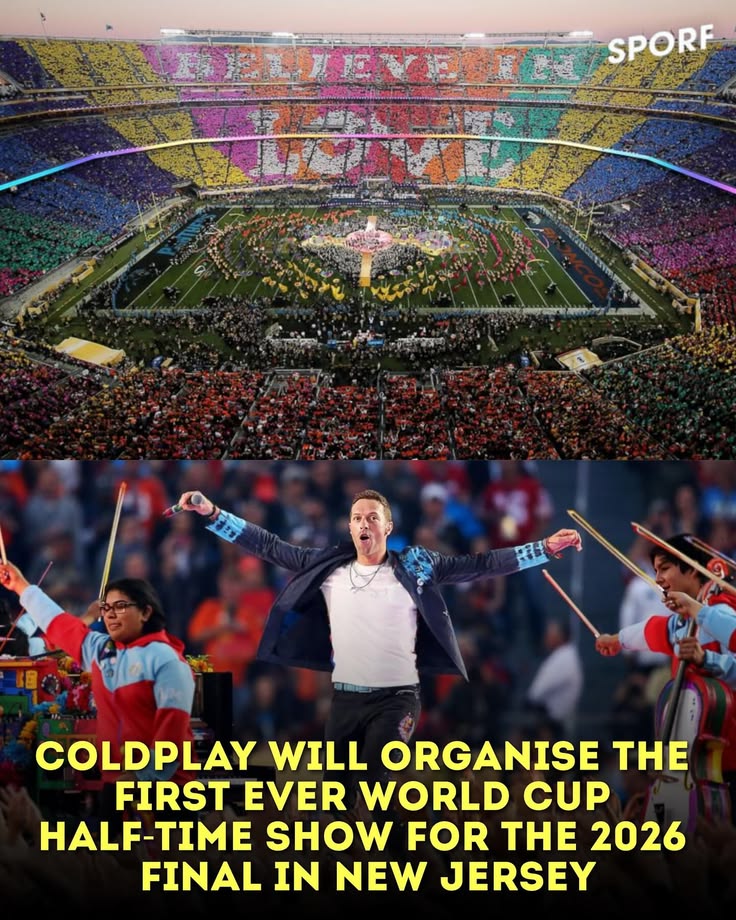
Industry observers view the initiative as another example of how major sporting organizations are evolving to meet the expectations of modern audiences. As digital engagement, social media, and global streaming continue to shape viewing habits, tournaments increasingly seek to create moments that generate conversation beyond the match itself, extending their cultural relevance while attracting new audiences around the world.
At its core, however, the FIFA World Cup Final remains the pinnacle of international football, where the pursuit of sporting excellence continues to define the tournament's identity. The addition of a halftime show is intended to complement that legacy by celebrating the broader cultural significance of an event that brings together billions of people through a shared passion for the world's most popular sport.
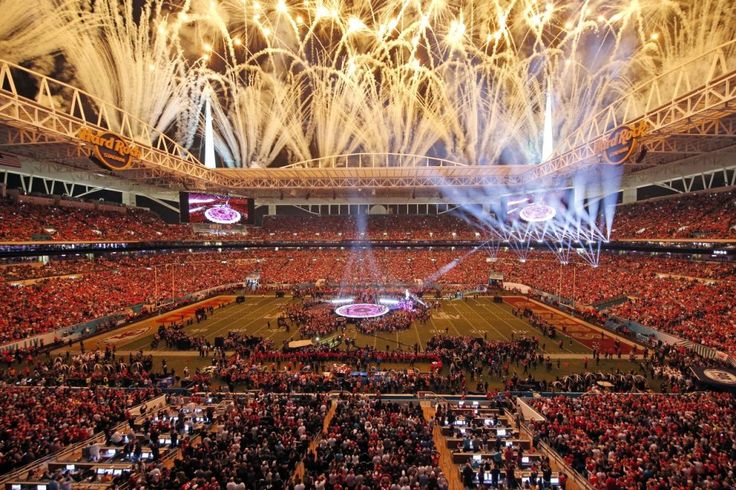
As anticipation builds toward the FIFA World Cup Final, the introduction of the halftime show underscores the evolving relationship between sport and entertainment in the modern era. By embracing innovation while preserving the traditions that have made the tournament iconic, FIFA continues to reinforce the World Cup's position not only as football's greatest championship but also as one of the world's most influential cultural spectacles.