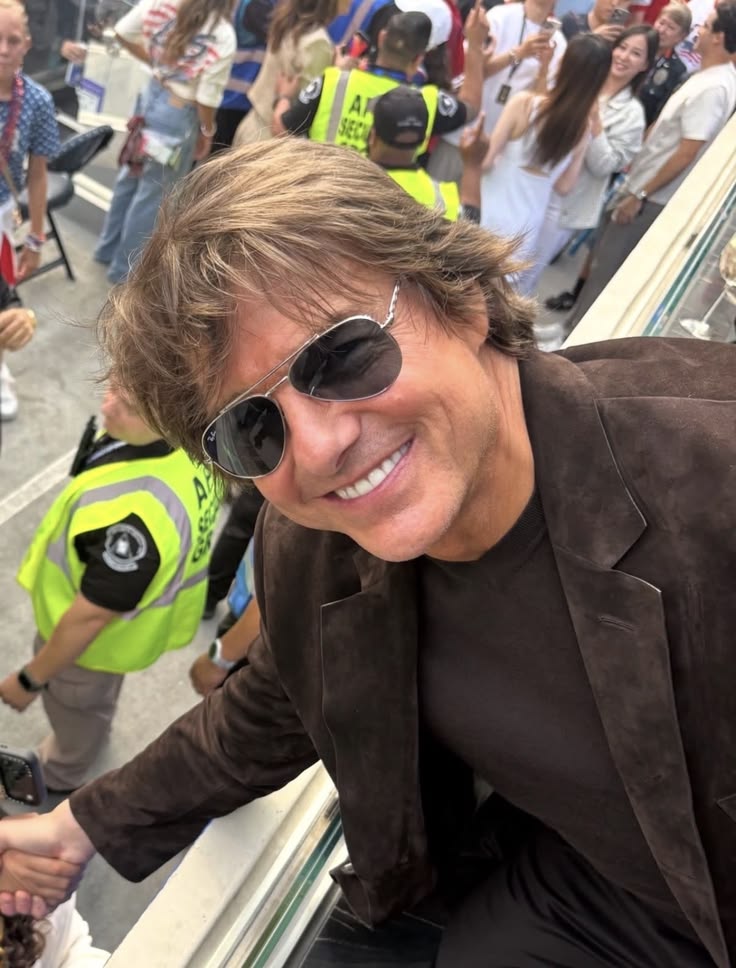
The FIFA World Cup Final has evolved into far more than the pinnacle of international football. It now stands as one of the world's most influential cultural events, where sport, entertainment, music, and global storytelling converge before an audience of billions. Against this backdrop, Tom Cruise brought unmistakable Hollywood star power to the championship occasion, reinforcing the increasingly close relationship between elite sporting competition and the international entertainment industry.
Tom Cruise transformed the atmosphere surrounding the World Cup final into a celebration that extended beyond football itself, adding cinematic prestige to an event already defined by its global significance. His appearance reflected how the tournament continues to attract some of the most recognizable figures from film, music, fashion, business, and public life, underscoring its status as a cultural spectacle that resonates far beyond the pitch.

Widely regarded as one of Hollywood's most enduring leading men, Tom Cruise has built a career spanning decades through acclaimed performances and blockbuster productions that have shaped modern cinema. His reputation for ambitious filmmaking, large-scale action spectacles, and unwavering commitment to theatrical storytelling has established him as one of the entertainment industry's most influential figures. His presence at the World Cup reflected not only the global reach of his cinematic legacy but also the growing intersection between international sport and popular culture.
The modern FIFA World Cup has increasingly embraced entertainment as an integral part of its global identity. While football remains the heart of the tournament, organizers continue to enhance the overall experience through music, live performances, cultural showcases, and appearances by internationally recognized personalities. These elements help create an immersive celebration that appeals to audiences across generations while reinforcing the tournament's worldwide cultural influence.
The collaboration between sport and entertainment also highlights broader changes in the global media landscape. Major sporting events are no longer viewed solely as athletic competitions but as international platforms for storytelling, creative expression, and cultural exchange. The involvement of leading figures from cinema and music reflects the growing importance of creating shared global experiences that extend beyond the final result on the field.
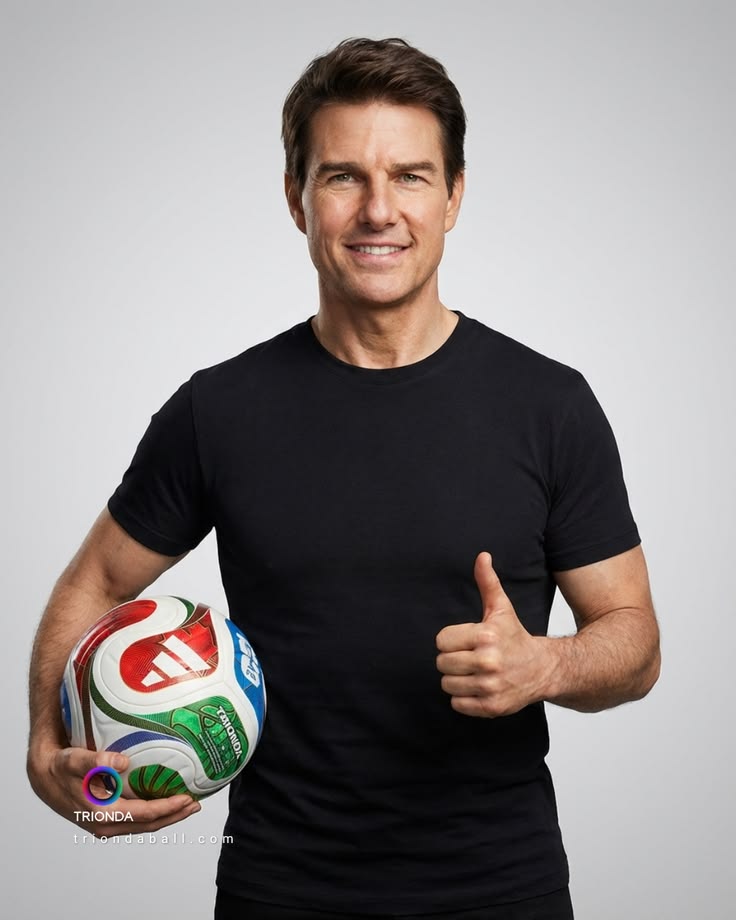
For the entertainment industry, appearances at events of this scale offer unparalleled global visibility while strengthening connections between film, sport, and digital audiences. At the same time, sporting organizations benefit from the added cultural prestige and expanded audience engagement that internationally recognized celebrities bring to landmark occasions. This mutually beneficial relationship continues to redefine how the world's biggest events are experienced across television, streaming platforms, and social media.
As the boundaries between entertainment, technology, and sport continue to evolve, the FIFA World Cup Final exemplifies how global events increasingly serve as celebrations of creativity alongside athletic excellence. The tournament's ability to unite football with music, cinema, fashion, and international culture reflects its enduring position as one of the world's most influential and widely celebrated spectacles.

As another memorable edition of the FIFA World Cup Final came to a close, Tom Cruise's appearance underscored the tournament's unique ability to bring together the highest levels of sport and entertainment on one global stage. The occasion served as a reminder that the World Cup has become more than a championship match, standing as a worldwide celebration of excellence, creativity, and the shared experiences that continue to unite audiences across cultures and continents.