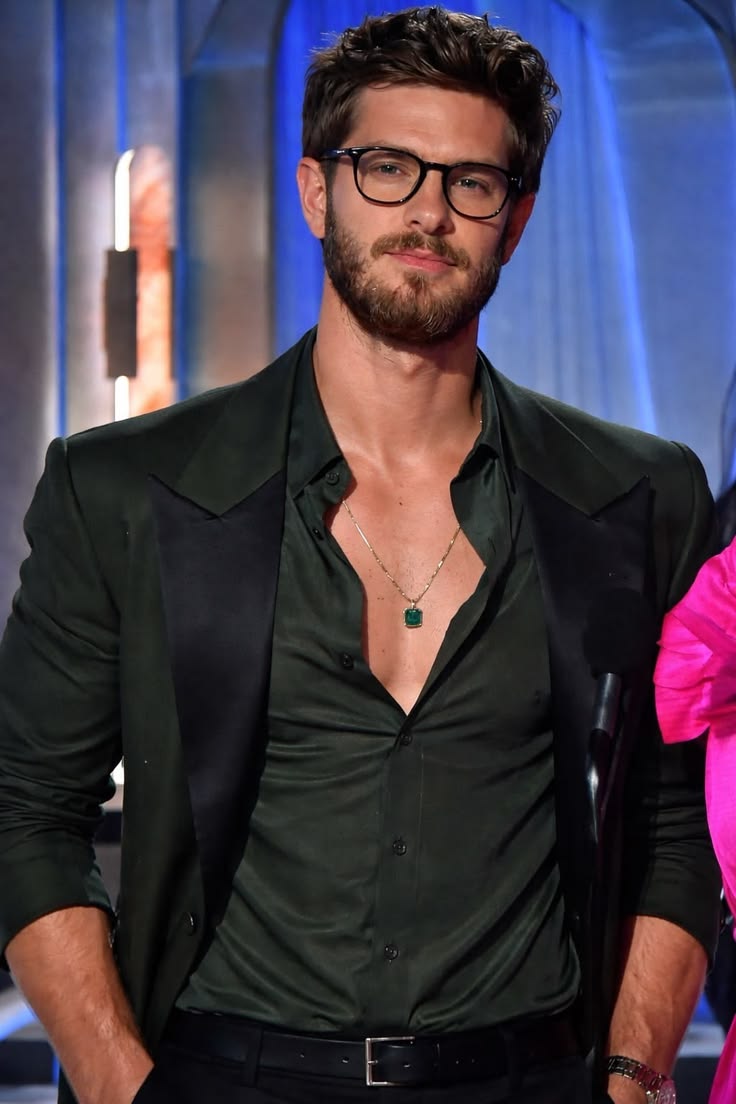
Superhero franchises have entered an era in which characters and performances can continue to shape popular culture long after their original stories appear to have ended. The expansion of interconnected cinematic universes, the rise of multigenerational fandom and the influence of digital communities have transformed audience expectations, making the possibility of a familiar character's return an event capable of generating global conversation. Few recent examples illustrate this phenomenon more clearly than the continuing interest surrounding Andrew Garfield and his future as Spider-Man.
Andrew Garfield has once again found himself at the centre of intense speculation surrounding the future of Spider-Man and the expanding Marvel cinematic universe, as audiences continue to question whether his interpretation of the iconic superhero could return to the screen. The renewed attention reflects the lasting cultural impact of Garfield's version of Peter Parker and the significance of his appearance in Spider-Man: No Way Home, which demonstrated the powerful appeal of bringing together different generations of superhero storytelling.
Garfield's experience has become particularly notable because his previous involvement in Spider-Man: No Way Home was the subject of extensive speculation before the film's release. His eventual appearance created an unusual dynamic in which even his most carefully considered comments about future projects are now closely examined by fans searching for possible clues. As a result, discussions surrounding another return continue to generate considerable interest whenever the actor addresses questions about the character.
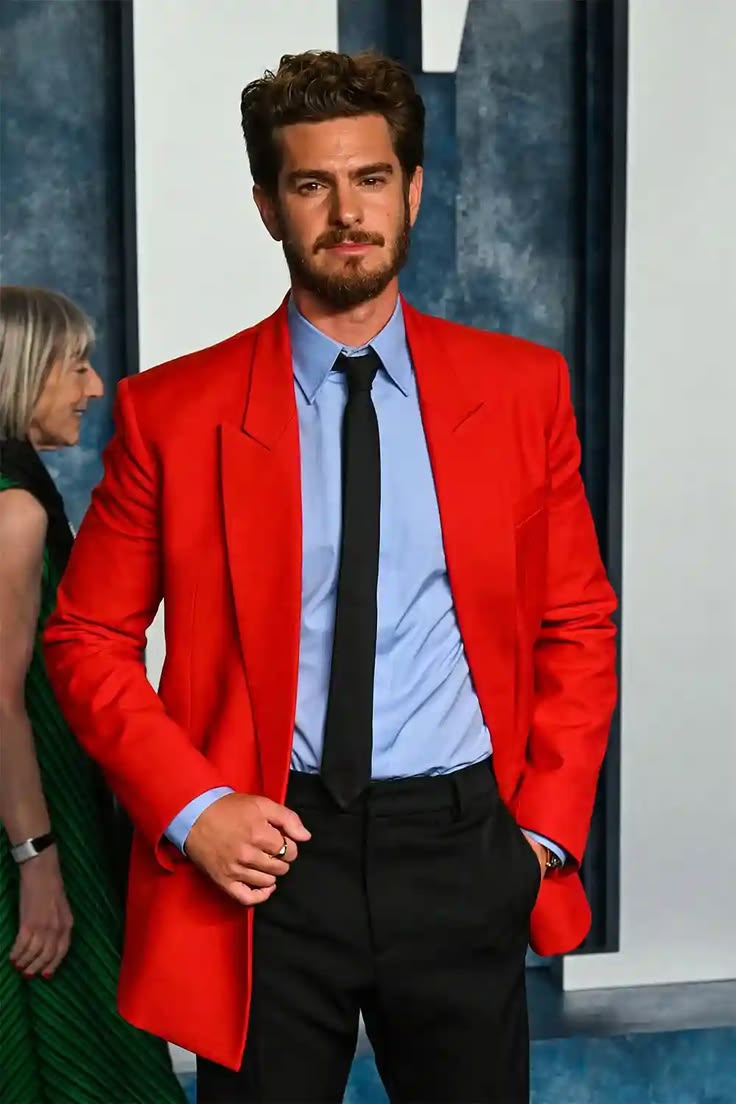
The success of Spider-Man: No Way Home represented an important moment in the evolution of modern franchise filmmaking. By bringing together performers associated with different cinematic eras of the character, the film demonstrated how nostalgia could become a meaningful storytelling device rather than simply a commercial strategy. The production allowed audiences to revisit familiar versions of Peter Parker while connecting their individual stories within a larger emotional narrative.
Garfield's return carried particular significance because it offered audiences another opportunity to engage with a version of Peter Parker whose original film series ended without the kind of planned conclusion often associated with major franchises. His appearance in the multiverse storyline created space for further emotional development while reminding audiences of the distinct qualities he brought to the role. The response also reinforced the enduring connection between performers and characters whose influence can extend well beyond their original productions.
Speculation has since expanded beyond the possibility of another standalone Spider-Man appearance to questions surrounding the wider future of the Avengers franchise. As Marvel continues to develop interconnected stories involving multiple characters and cinematic worlds, audiences remain interested in whether the multiverse could once again create opportunities for familiar heroes and performers to return.
At the same time, speculation surrounding possible casting decisions or future appearances should remain distinct from confirmed information. Until official announcements are made by the studios and filmmakers involved, discussions about Garfield's potential involvement in future Marvel projects remain part of the broader conversation surrounding one of contemporary cinema's most closely followed franchises.
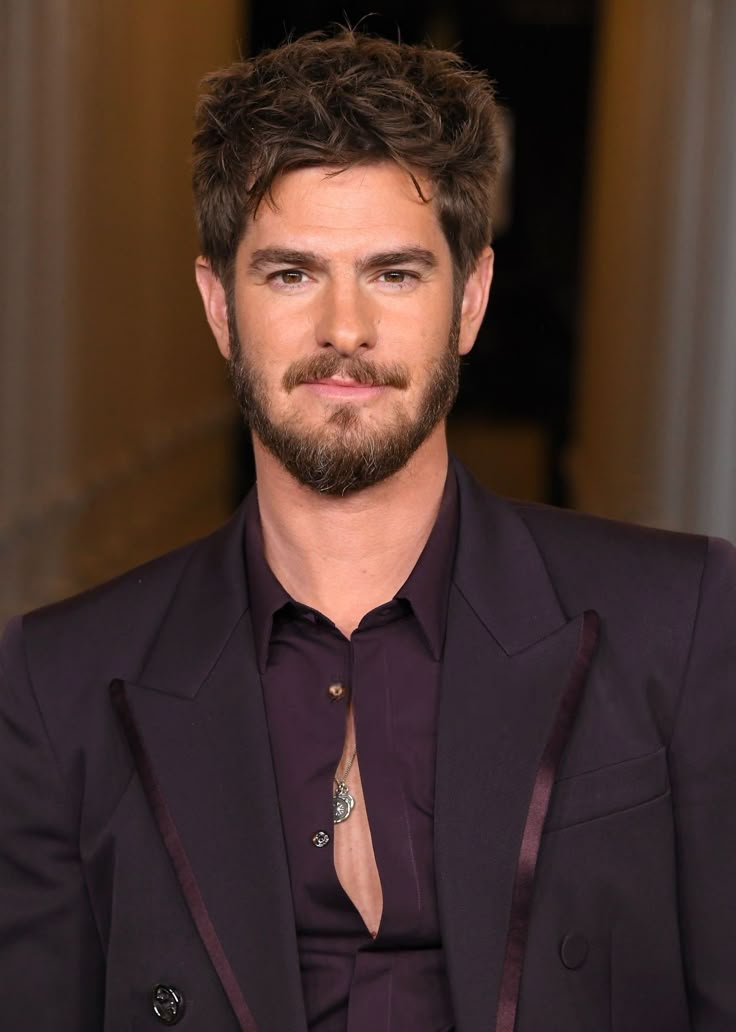
The continuing interest in Garfield's future as Spider-Man also reflects a significant change in the relationship between actors and franchise roles. In previous generations of filmmaking, a character was often closely tied to a specific series and disappeared from public conversation once that series concluded. Modern cinematic universes have disrupted that pattern, allowing characters to return years later through new narrative structures, evolving technology and the growing value of shared fictional worlds.
This shift has given superhero performances an unusual degree of longevity. Characters can now develop cultural lives beyond their original stories as audiences revisit earlier films through streaming platforms, social media discussions and online fan communities. A performance that may once have belonged to a particular period of cinema can be rediscovered by new audiences and reintroduced into contemporary cultural conversations.
The discussion also demonstrates the extraordinary influence of fan culture within modern entertainment. Digital platforms allow audiences to revisit scenes, analyse interviews, share theories and sustain enthusiasm between official releases. This continuous interaction has changed the rhythm of franchise storytelling, with anticipation itself becoming an important part of the wider cultural experience surrounding major productions.
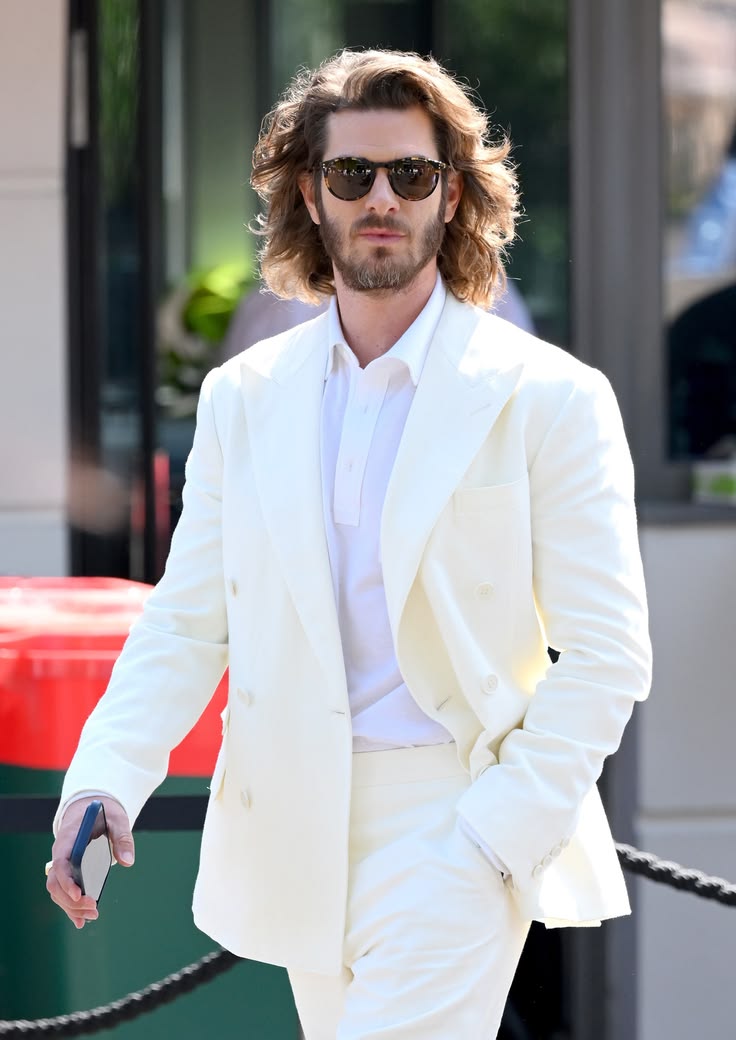
As Andrew Garfield continues to face questions about Spider-Man and potential connections to future Avengers projects, the enduring interest in his version of the character remains unmistakable. Whether or not another appearance ultimately materialises, the conversation itself reflects the lasting influence of his performance and the changing nature of modern franchise storytelling. In an era defined by cinematic universes, digital fandom and multigenerational audiences, some characters are never entirely left behind, and the possibility of their return can become a cultural event long before any official announcement is made.