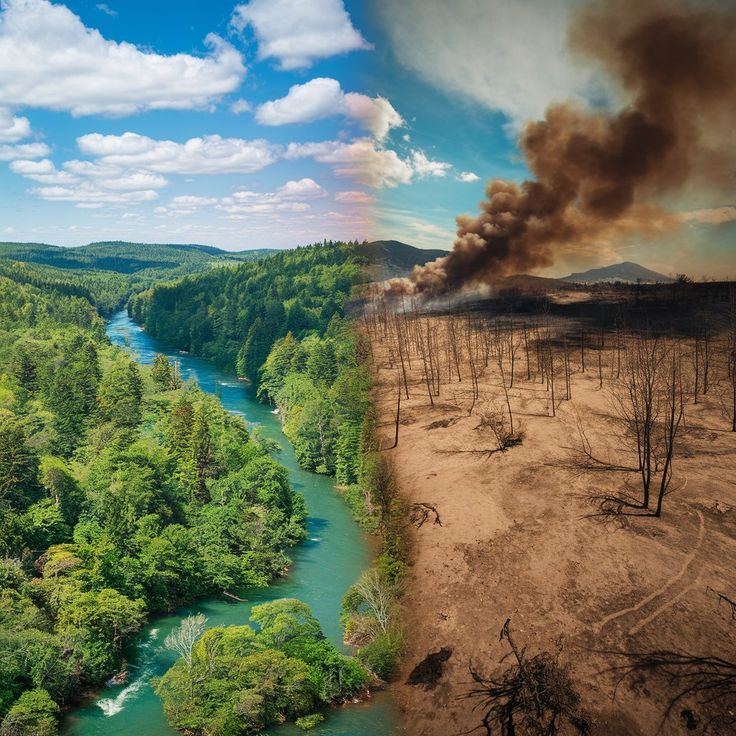
Climate change is increasingly reshaping the future of global sport as rising temperatures, extreme weather events, and shifting environmental conditions present new challenges for athletes, organizers, and sporting institutions around the world. From international tournaments to grassroots competitions, the effects of a changing climate are influencing how and when sporting events are staged, prompting governing bodies to place greater emphasis on sustainability, athlete welfare, and long-term environmental resilience. As climate considerations become an integral part of sports management, the relationship between environmental responsibility and athletic excellence continues to grow in importance.
Across multiple sporting disciplines, organizers are adapting to more frequent heatwaves, unpredictable rainfall, stronger storms, and changing seasonal conditions. Competition schedules, venue operations, and player safety protocols are increasingly being reviewed to reduce the risks associated with extreme weather. These adjustments reflect a broader recognition that climate-related challenges have become an essential consideration in the planning, delivery, and long-term sustainability of major sporting events around the world.

International sporting organizations are also strengthening their commitment to environmental sustainability through investments in greener infrastructure, renewable energy, waste reduction, and responsible resource management. Many event organizers are implementing initiatives designed to reduce carbon emissions while encouraging sustainable transportation, recycling programs, energy-efficient venues, and environmentally conscious operations. These efforts demonstrate the growing role of sport in supporting broader conversations around climate action, environmental stewardship, and sustainable development.
Climate change is also influencing athlete preparation and performance. Rising temperatures, deteriorating air quality in some regions, and increasingly unpredictable weather conditions require coaches, medical teams, and sports scientists to develop new strategies that prioritize player health, recovery, and performance. Advances in sports science and environmental monitoring are helping athletes adapt to these evolving conditions while reinforcing the importance of safeguarding wellbeing at every level of competition.
Beyond elite competition, community sport is equally affected by environmental change. Grassroots programs, local facilities, and youth competitions often face disruptions caused by extreme weather, highlighting the need for resilient infrastructure and long-term planning. Ensuring access to safe sporting environments remains a key priority for communities seeking to encourage participation and promote healthier lifestyles despite changing environmental conditions.
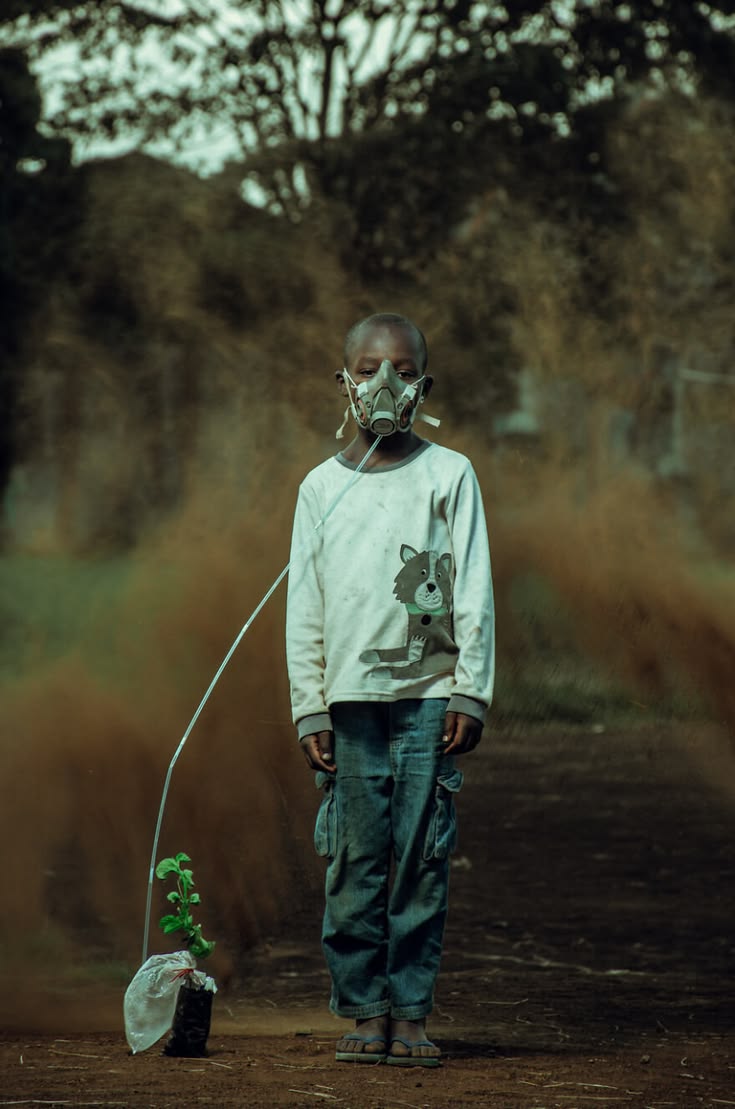
Sport also possesses a unique ability to inspire collective action and raise awareness of global challenges. Athletes, clubs, governing bodies, and event organizers increasingly recognize the influence of their platforms in encouraging sustainable practices and promoting environmental responsibility. Through education campaigns, community initiatives, and international partnerships, the sporting world continues to demonstrate how its global reach can contribute to meaningful conversations about protecting the planet for future generations.
The growing integration of sustainability into international sport reflects a broader shift in how major competitions are planned and delivered. Environmental considerations are now becoming an essential part of decision-making, from the construction of venues to transportation strategies and legacy planning, illustrating how sport can evolve while remaining responsive to the challenges of a changing world.

As climate change continues to influence societies across the globe, its impact on sport serves as a powerful reminder that athletic excellence and environmental stewardship are becoming increasingly interconnected. The response of the international sporting community will play a vital role in ensuring that future generations can continue to compete, inspire, and unite through sport while preserving the natural environments that make those experiences possible.