.jpg)
Reality television continues to evolve by finding new ways to place familiar personalities in unfamiliar situations, and The Celebrity Traitors has become part of that wider transformation. The series brings the psychological tension of the Traitors format into a celebrity environment, where public recognition, existing reputations and personal relationships become part of the game. Its return with a new generation of famous faces creates another opportunity to examine how celebrity identity changes when entertainment personalities are placed in an environment built around secrecy, suspicion and strategic decision making.
The appeal of the format rests on a simple but effective contrast. Viewers may already have an understanding of the contestants through their careers, interviews, performances or social media presence, yet the game introduces circumstances where those established identities can become difficult to read. The distinction between what is genuine and what is strategic becomes central to the viewing experience, allowing familiar celebrities to be presented in a very different context.

The new cast also reflects the changing nature of celebrity itself. Fame is no longer concentrated within traditional film, television and music industries. Actors, presenters, musicians, athletes, influencers and personalities from reality television can all command significant public attention. Bringing different categories of famous people together creates a wider social mix and gives the programme access to audiences who may follow its contestants for very different reasons.
For the contestants, participation requires a different form of performance from what audiences normally expect. Unlike an acting role or a prepared television appearance, the environment of The Celebrity Traitors depends heavily on spontaneous interaction. Contestants have to interpret conversations, form alliances and make decisions while knowing that their fellow participants may have competing objectives. Celebrity status can provide familiarity, but it does not necessarily provide an advantage when everyone is attempting to understand everyone else.
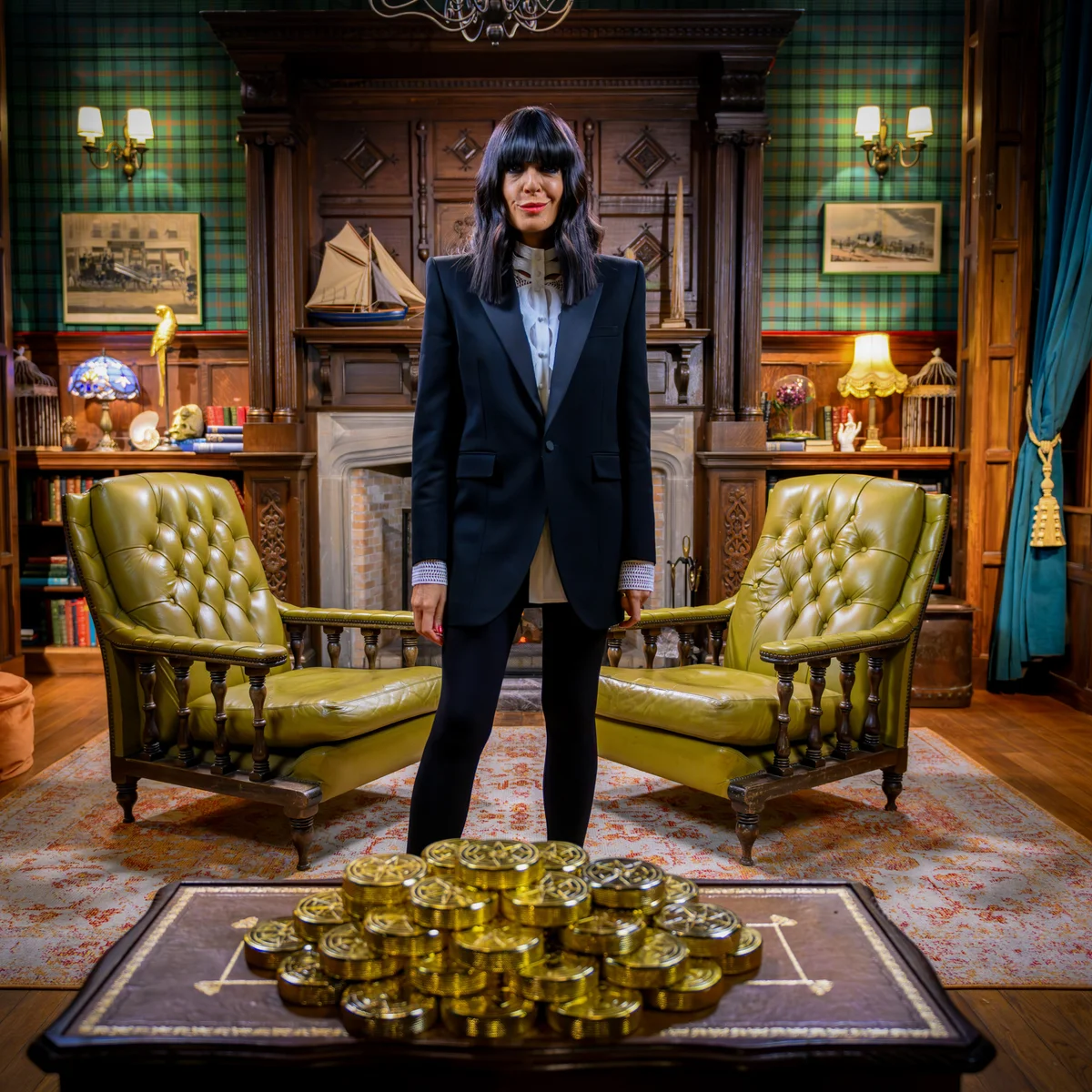
The programme also demonstrates how reality television increasingly depends on the relationship between entertainment and personality. Audiences are not simply watching a competition unfold. They are watching recognizable people respond to pressure, uncertainty and changing social dynamics. That creates opportunities for unexpected moments and allows viewers to see aspects of contestants personalities that may not appear within their usual professional environments.
Social media has further expanded the life of reality television beyond the broadcast itself. Episodes can generate discussions, theories and reactions across multiple platforms, allowing viewers to participate in conversations about alliances, decisions and unexpected developments. For celebrity contestants, this can also create a second layer of visibility, as moments from the programme become part of their wider public identities.
.jpg)
The return of The Celebrity Traitors therefore arrives at a time when audiences are increasingly comfortable moving between traditional television and digital entertainment. A programme can exist simultaneously as a broadcast series, a social media conversation and a source of cultural commentary. This interconnected model has helped reality formats remain relevant even as viewing habits continue to change.
There is also a broader generational element to the new season. As established celebrities appear alongside personalities who have built their recognition through newer forms of media, the programme becomes a snapshot of how fame is being produced and consumed today. The contrast between traditional celebrity and digitally shaped recognition adds another layer to a format already built around questions of trust, identity and perception.
Ultimately, the return of The Celebrity Traitors demonstrates the continuing strength of celebrity driven reality television when a familiar cast of public figures is placed inside an unfamiliar social experiment. The success of each season will depend not only on the personalities involved, but on the relationships, strategies and unexpected dynamics that develop once the cameras begin observing them. In that sense, the newest generation of contestants enters the castle with reputations already established, but with the opportunity to show audiences an entirely different side of who they are.