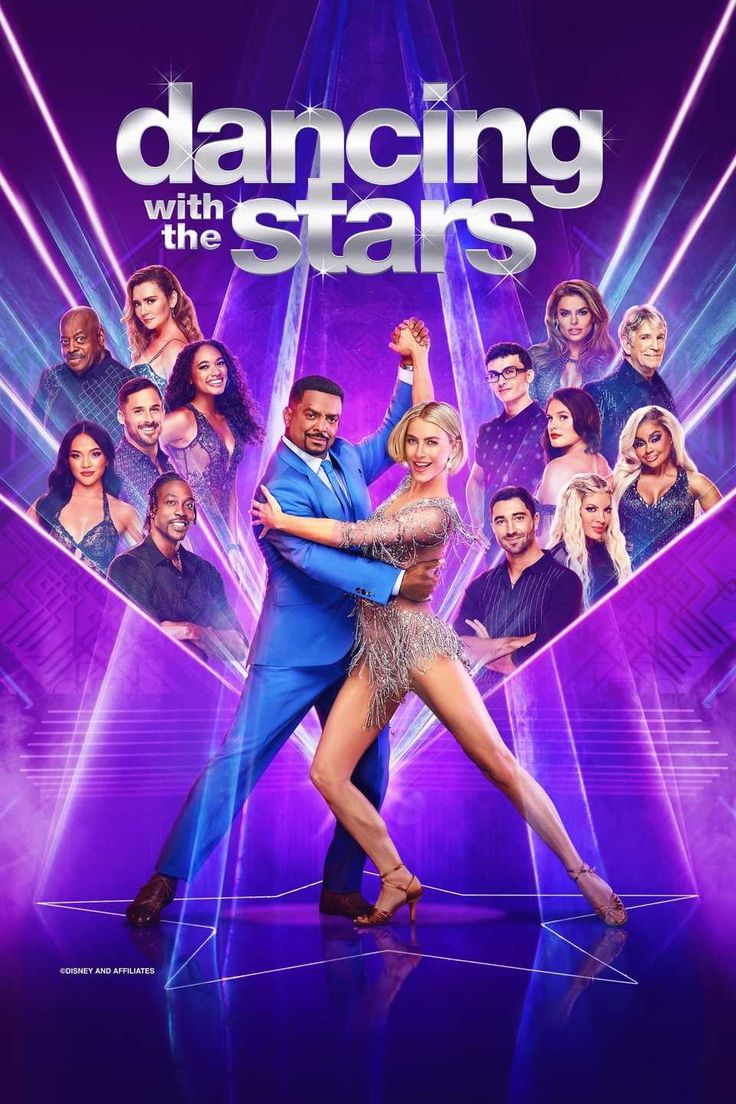
Few television formats have demonstrated the enduring ability to reinvent celebrity quite like Dancing With the Stars. At a time when audiences consume entertainment across streaming platforms, social media and traditional broadcasting, the long-running competition continues to offer something increasingly rare: a shared viewing experience built around performance, personality and real-time public engagement.
As Dancing With the Stars prepares to welcome a new celebrity class, the latest season once again brings together familiar faces from entertainment, sport, television and popular culture for one of contemporary television's most recognisable competitions. The arrival of a new cast marks the beginning of another season built around an enduring formula that combines demanding performance, personal storytelling, live competition and audience participation.
For viewers, the appeal extends far beyond the ballroom. The programme offers audiences the opportunity to see established public figures in an entirely different environment, often removed from the professional identities that made them famous. Actors, musicians, athletes, television personalities and other public figures are placed under a new kind of scrutiny, one defined not by their established expertise but by their ability to learn, adapt and perform.
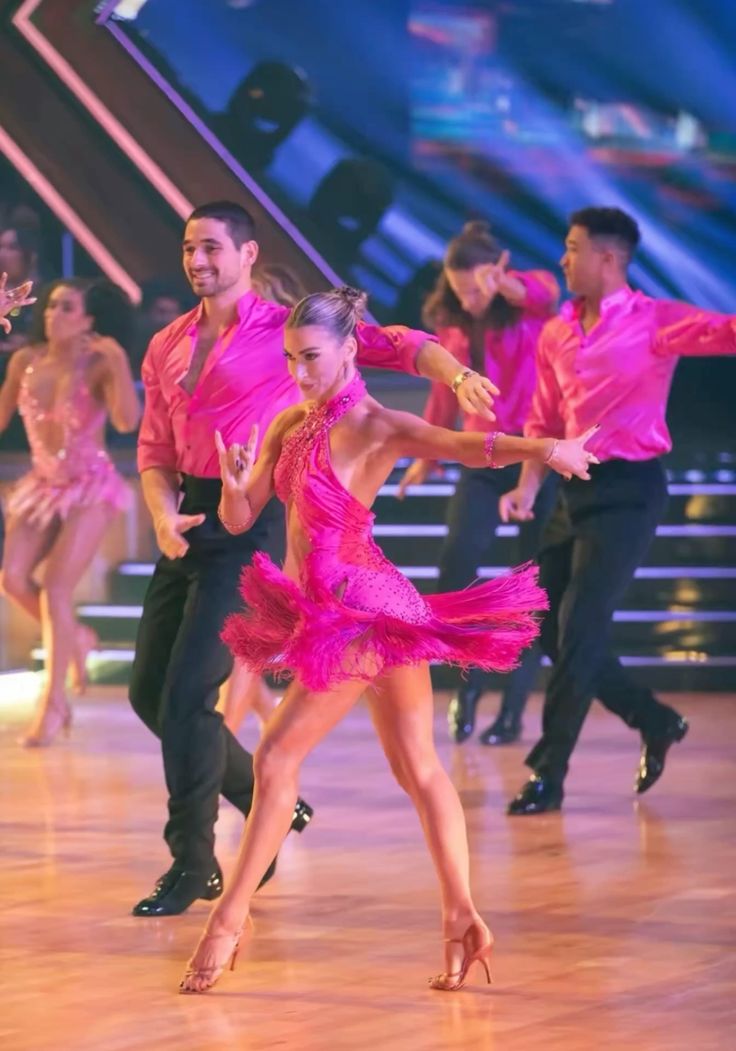
That element of transformation remains central to the continuing appeal of Dancing With the Stars. Celebrities accustomed to confidence within their own industries are required to confront unfamiliar challenges, intensive training and the pressure of performing before a large audience. The result is a format in which discipline, vulnerability and personal growth become as important to the viewing experience as the competition itself.
Each new cast also reflects the changing nature of celebrity in the modern entertainment industry. Audiences no longer engage with public figures solely through film, television or music. Social media creators, digital personalities, athletes and figures from emerging entertainment spaces now command audiences comparable to those traditionally associated with established screen and recording stars.
Productions such as Dancing With the Stars have increasingly become meeting points for these different forms of fame. By placing personalities from multiple corners of popular culture within the same competition, the programme creates a broad entertainment experience that reflects the diversity of contemporary celebrity and the increasingly interconnected nature of global media.
The competition also highlights the continued importance of live and event-based television at a time when viewing habits are increasingly shaped by streaming and on-demand content. Weekly performances create moments that audiences experience simultaneously, while voting, online discussion and social media reaction extend the programme's cultural presence far beyond the broadcast itself.

This sense of collective engagement has helped established competition formats maintain their relevance across multiple generations. Viewers are not simply consuming a finished programme at their convenience; they are participating in an unfolding cultural conversation. Performances can generate immediate reactions online, unexpected moments can dominate digital discussion, and individual contestants can build new connections with audiences throughout the course of a season.
For the celebrities involved, the experience can also become an important moment of personal and professional reinvention. A successful appearance may introduce a familiar figure to an entirely new audience, reshape public perception or reveal talents that previously existed outside their established professional image. The ballroom, in that sense, can become a space for reinvention as much as competition.
This combination of performance and personal narrative has long been one of the programme's greatest strengths. Audiences follow technical improvement, but they also follow individual journeys: the uncertainty of early performances, the discipline required to develop new skills and the confidence that can emerge over the course of the competition. These stories help transform a weekly entertainment programme into a longer narrative built around growth and public connection.
The arrival of another celebrity class also demonstrates how entertainment formats can remain culturally relevant by evolving alongside the audiences they serve. As celebrity continues to expand across traditional media, digital platforms and new forms of public influence, programmes capable of bringing those worlds together retain a distinctive role within the entertainment landscape.
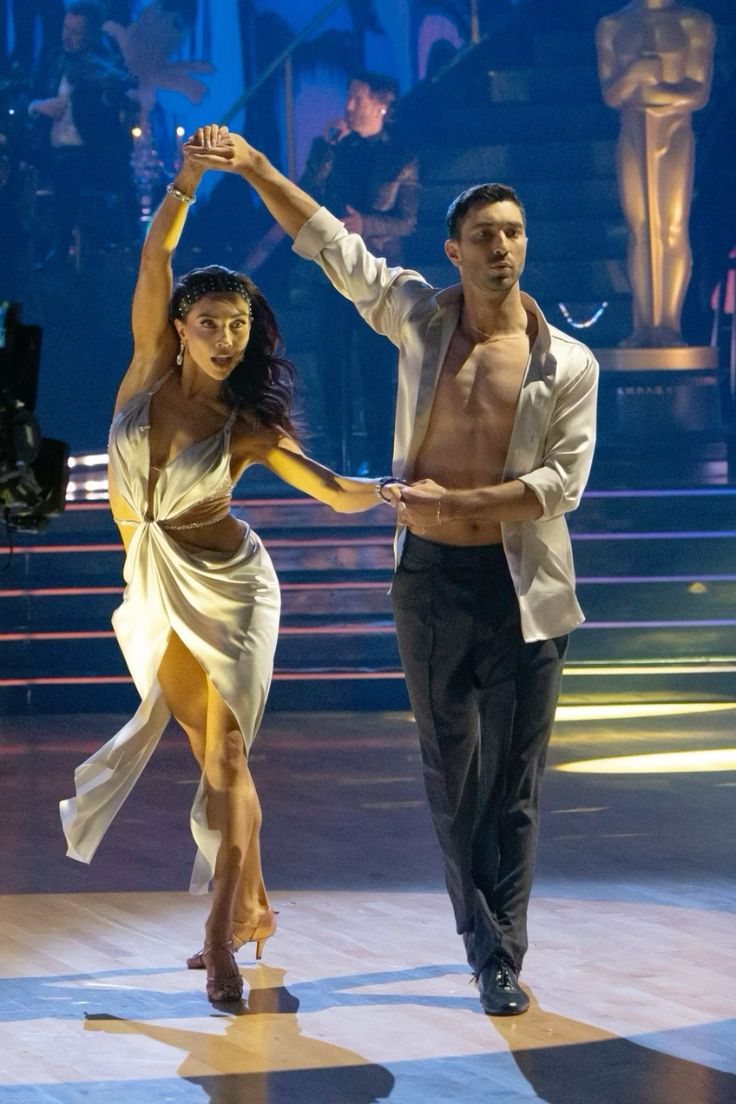
As the latest celebrity class prepares to take the floor, Dancing With the Stars once again underscores the enduring relationship between performance and public fascination. The new season will offer more than a competition for ballroom success, providing another reflection of how modern celebrity continues to evolve when familiar public figures are invited to step beyond the roles audiences already know them for. In an entertainment culture increasingly shaped by reinvention, interaction and constant visibility, the ballroom remains a stage where established stars can still surprise audiences and create entirely new chapters in their public stories.